
Finland is known for its vast forests, thousands of lakes, and the constant presence of nature in everyday life. No matter where you are — in a city, village, or deep in the wilderness — nature is always near. What makes Finland truly unique is how dramatically the landscape changes through the year. The four seasons in Finland are distinct, each bringing its own colors, sounds, and experiences.
From the frozen stillness of winter to the midnight light of summer, and from the gentle spring thaw to the golden autumn forests, Finnish nature tells a story of transformation.
Winter – Silence, Snow, and Northern Lights
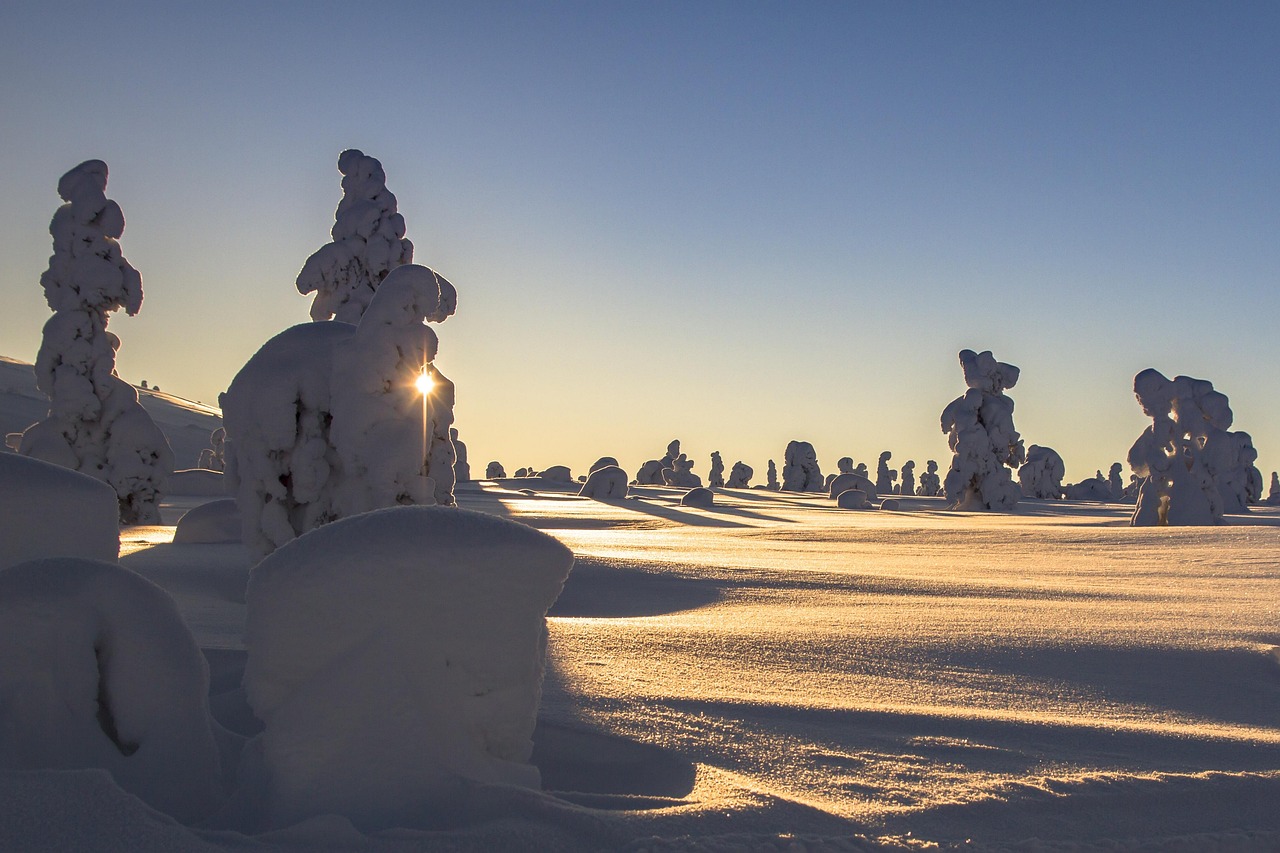
Winter in Finland usually lasts from December to March, sometimes longer in the north. The country becomes a land of snow and ice, where lakes freeze and trees turn white. The air is cold and pure, and the daylight is limited — especially in Lapland, where the sun may stay below the horizon for weeks.
Despite the darkness, winter is a time of quiet beauty. The snow reflects moonlight and starlight, creating a soft glow even at night. The famous Northern Lights, or revontulet, often dance across the sky in shades of green and pink.
Nature slows down during this time. Many animals hibernate or stay hidden, but reindeer and elk can still be seen moving through snowy forests. People adapt to the season with warmth and light — candles, fireplaces, and saunas create comfort indoors, while outdoor life continues with skiing, snowshoeing, and ice fishing.
For visitors, winter in Finland offers peace, simplicity, and a chance to experience nature at its most silent and pure.
Spring – Renewal and Awakening
Spring arrives slowly in Finland, beginning in the south around April and reaching Lapland only by May. The change is dramatic. The snow melts, rivers break free from ice, and birds return from migration. The first flowers, such as coltsfoot and wood anemone, appear through the melting snow.
This is a time of renewal. Forests fill with birdsong, and daylight grows by several minutes every day. The famous white nights begin to approach, as the sun sets later and later. For many Finns, spring is a hopeful season — the long winter gives way to color, movement, and energy.
Farmers prepare their fields, and people begin to spend more time outdoors. Hiking trails reopen, and families start visiting their summer cottages to clean, repair, and prepare for the coming summer. In southern Finland, apple and cherry trees bloom beautifully in May, turning gardens into seas of white and pink.
Spring also marks the start of Finland’s many nature festivals, from birdwatching events to countryside markets celebrating the new season’s produce.
Summer – Light, Lakes, and Freedom
Summer in Finland is a celebration of light. From June to August, the country lives almost entirely outdoors. The days are long — in the north, the sun does not set at all for several weeks, creating the phenomenon of the Midnight Sun. Even in southern Finland, nights remain bright and calm.
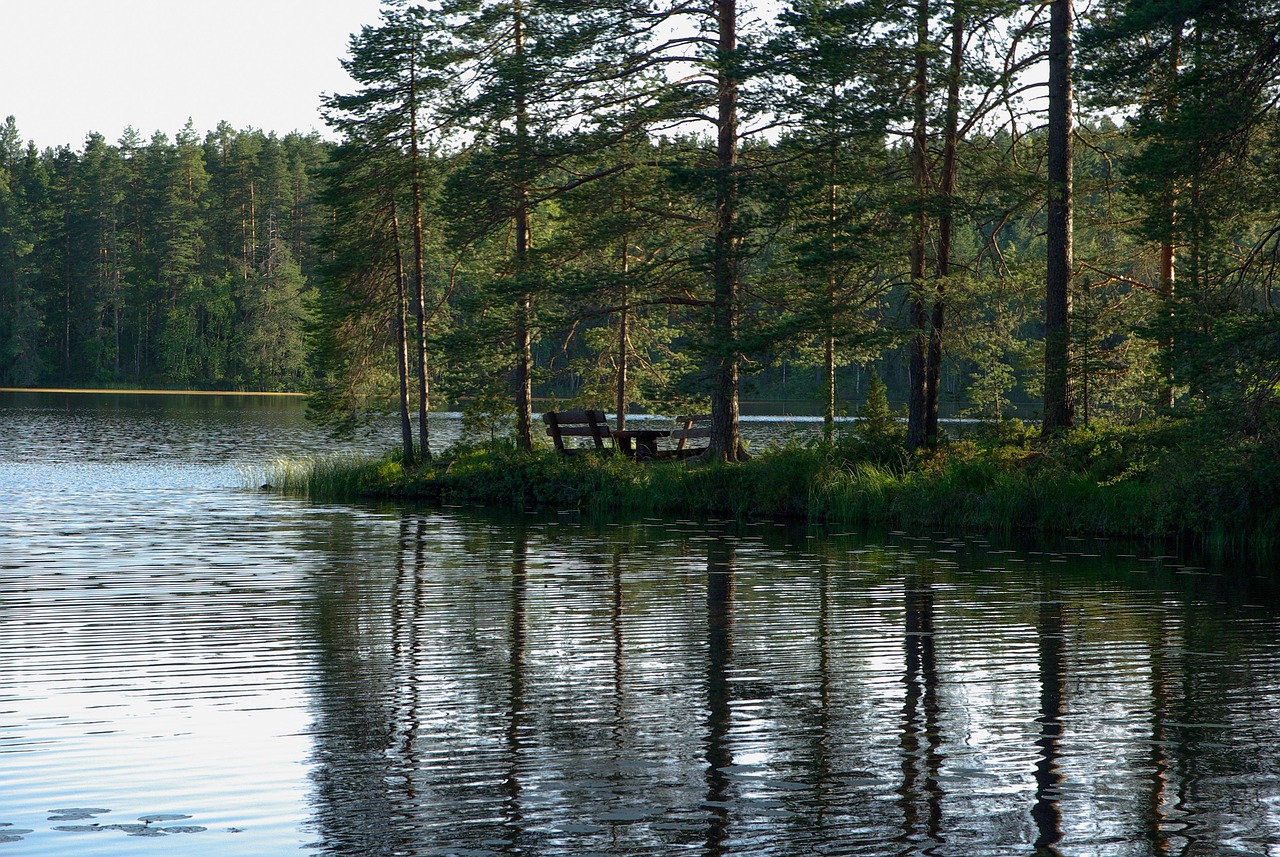
Nature is at its most alive. Forests are green and dense, lakes are warm enough for swimming, and wildflowers cover meadows and roadsides. It is the season of canoeing, cycling, camping, and berry picking. The most common summer berries — blueberries, cloudberries, and lingonberries — grow naturally in the forests and are free for everyone to pick under Finland’s Everyman’s Right (jokamiehenoikeus), which allows public access to most land and waterways.
For many Finns, summer means time at the mökki, or summer cottage. Life slows down to the rhythm of nature: swimming in the lake, cooking outdoors, and relaxing in the sauna. Towns and cities often feel quieter as people move to the countryside.
Wildlife also flourishes. Birds nest, fish are active, and mammals can be spotted near forest edges. National parks become popular destinations, and hiking routes like Karhunkierros and Nuuksio trails welcome thousands of visitors each year.
Midsummer, or Juhannus, is the high point of the season. Celebrated around June 21, it marks the summer solstice. Bonfires burn by lakesides, saunas are heated, and people gather to enjoy the endless daylight.
Autumn – Colors, Harvest, and Reflection
Autumn in Finland begins around September and brings a different kind of beauty. After the long summer, the air turns crisp, mornings are misty, and forests explode with color — deep reds, golds, and oranges. This season, known in Finnish as ruska, is especially stunning in Lapland, where the colors of birch and mountain shrubs create one of the most impressive autumn landscapes in Europe.
It is also the season of harvest. Farmers collect grains, vegetables, and berries, while people pick mushrooms and prepare for winter. The forest becomes full of activity again as animals gather food and birds prepare to migrate south.
For many, autumn is a reflective and peaceful season. The days shorten, the temperatures drop, and nature slowly prepares for rest. Walking in a quiet forest during ruska is considered one of the most relaxing experiences in Finnish nature.
Tourism in Lapland continues during autumn, as travelers come to photograph the colors and enjoy the first signs of snow in late October.
A Year of Constant Change
The Finnish landscape is never still. Every season offers something distinct — not only visually, but emotionally. Winter teaches stillness and patience, spring brings renewal, summer celebrates freedom and light, and autumn encourages reflection and preparation.
This rhythm of nature shapes Finnish culture deeply. It influences traditions, food, work, and even the national identity. Seasonal changes remind people of balance — that darkness will always turn to light, and cold will always give way to warmth.
For those who visit Finland, experiencing all four seasons offers a complete picture of the country’s natural soul. Whether you walk through snowy forests under the Northern Lights, sit by a summer lake in the midnight sun, or breathe in the scent of autumn leaves, Finnish nature invites you to slow down, listen, and be present.
In the end, the beauty of Finland is not found only in its landscapes, but in how they change — a quiet reminder of time, light, and life itself.